
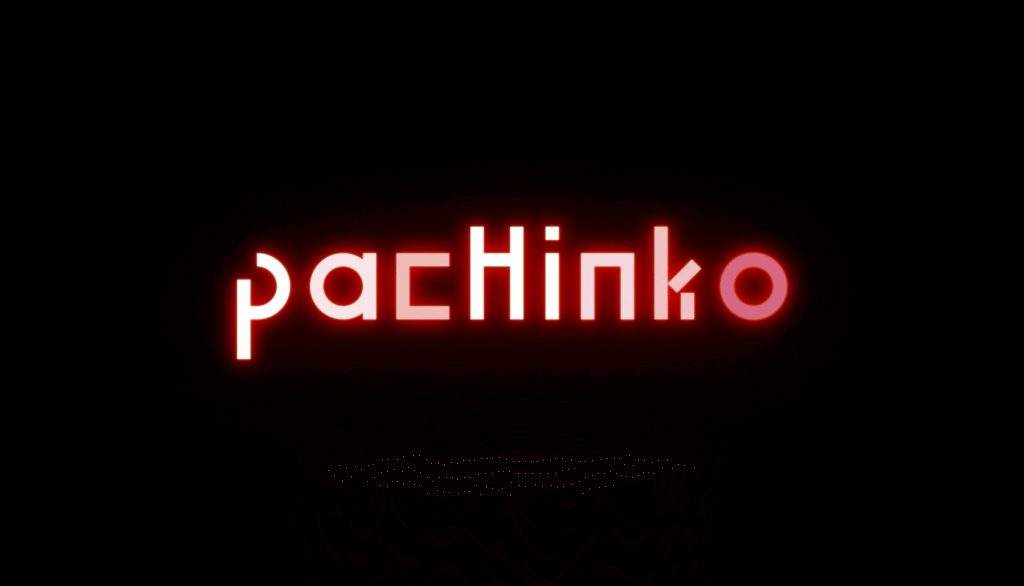
PACHINKO
2023
Type : Motion design, générique, direction artistique
Collaboration : Alexandre Lorgnier du Mesnil
Contexte
Création d’un générique pour Pachinko, série retraçant l’histoire de trois générations de Coréens vivant au Japon. Le récit explore l’exil, l’identité et la transmission à travers plusieurs pays et langues.
Concept
Le générique traduit visuellement les thèmes de la série : mémoire, héritage et résilience. Le parcours des personnages est représenté comme un système en mouvement, où les trajectoires individuelles s’entrelacent et se transforment au fil du temps.
Direction artistique
L’univers visuel s’inspire de la peinture traditionnelle d’Asie de l’Est et du design moderniste des années 1950.
- Typographie abstraite basée sur les écritures hangeul, katakana et latine
- Intégration des caractères dans un système inspiré du pachinko
- Lecture verticale symbolisant la transmission générationnelle
- Métaphore du mouvement des billes pour représenter le destin et les trajectoires de vie
L’ensemble propose une fusion entre tradition et modernité, entre contrôle et hasard.
Mon rôle : Scénario, direction artistique et motion design.

Ensō tracé à l’encre
Typographie
coréen, japonais et anglais

Pachinko – ENG
Date: 2023
Language: English
Collaboration: with Alexandre Lorgnier du Mesnil
Roles: Screenwriting, art direction, motion design
English summary:
Title sequence concept for Pachinko, exploring themes of identity, exile, and generational memory. The project combines East Asian traditional aesthetics with 1950s modernist design, using motion design and typography to translate narrative and emotional trajectories.
Creation of an opening title sequence for the Korean series Pachinko, which follows the lives of three generations of Koreans living in Japan. The series explores themes of heritage, identity, and resilience, portraying the hopes and dreams of a family shaped by exile and displacement across three languages and three countries.
Art Direction
The title sequence offers a visual approach inspired by both traditional East Asian painting and the minimalist principles of the 1950s International Style. Typographic experimentation transforms katakana, hangeul, and Latin characters, pushing them toward abstraction and integrating them into a pachinko machine circuit.
The passage of time is represented through a vertical composition, echoing a genealogical tree, moving from tradition symbolized by an ink-drawn ensō to modernity embodied by the pachinko machine. The family’s turbulent destiny is expressed through the movement of the pachinko balls, which, despite obstacles, continually find new paths.